Gaming Before the Internet: The Social Side of Boomer Games
Socializing while video gaming was around even before the Internet became part of everyday life. Let's take a quick look at how the Boomer generation socialized and played video games at the same time.
Multiplayer gaming as a form of socializing has been around for a very long time. The moment board games were invented where 2 or more people had to play, multiplayer gaming was well on its way. Then, video games came and a game called "Pong" became so popular in the 70s that it and its parent company Atari, ushered in a new era in electronic gaming. This is how the Boomer generation learned to play multiplayer video games.
Gaming devices of the past
Video games officially started in the 1970s but prior to the massive use of electronics in gaming, Boomers were already playing arcade games. Games like Pinball, shooting games, and that helicopter that went round and round that scored by hitting electrical contacts on its path were some of the popular arcade games of the time. These games were electro-mechanical in nature.
When electronic video games came in the mid-1970s, devices like the video arcade coin-op game cabinets became the mainstay of gaming centers. Games like Computer Space, Star Wars, Stellar 7, and many more drew in crowds of Boomer teens and kids spending their coins to have a few minutes of gaming heaven. Home co-op gaming consoles like the Coleco Telstar and the Atari 2600 as well as the handheld battery-operated LED-based single-player toy games had captured the games market.
By the late 70s, the microcomputer revolution had begun with early units like the first Apple//s and the TRS-80 model one. Software developers started porting existing video games into these microcomputer platforms. Some of the games were multiplayer where two players had to play the game on a single computer. This continued on into the 1980s when Japanese home gaming console brands like Nintendo and SEGA hit the gaming market by storm. As a side note, the actual FPS multiplayer game "Lasertag" held at recreational gaming centers became as popular as video gaming itself.
The 1990s marked huge advances in gaming technology and the dominance of PC gaming as we know it today. Powerful microcomputers like the Commodore Amiga with its advanced graphics and sound delivered awesome and immersive games for both multiplayer and single-player gaming.
Sony entered the video game industry with the disc-based PlayStation and home console gaming was never the same. With the PlayStation, co-op and competitive multiplayer gaming had reached their peak. Arcadewise, advanced coin-op simulators gave gamers the near-actual experience of combat vehicle, racing, and even dancing gameplay.
Gaming before the Internet
With the gaming devices of the past described, we now look at how both the Boomer and Gen X generations played and socialized at the same time.
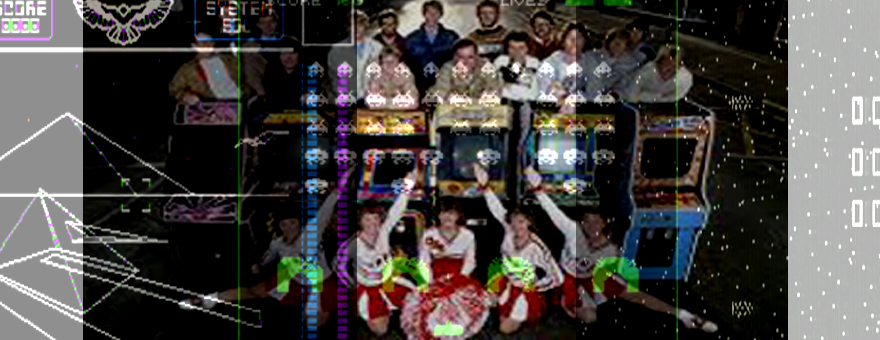
By the mid to late 1970s, arcade center gameplay competitions started becoming prevalent. Players and fans would crowd around a contestant playing on a selected coin-op arcade game and he or she who has the highest score wins. Likewise, the Atari 2600 had become the video game competition machine of the day.
Crowds of teens and kids would sign up for the contest and take their chances at venues where Atari consoles have been set up for the show. Again, the highest scorer wins. Privately, gamer friends and family members played multiplayer couch co-op or competitive mode with their game consoles at home.
Again this led well into the 1980s with the microcomputer providing another medium for shared multiplayer gameplay. Whether co-op or 2 player-competitive, a computer or a console was a great way to share a personal gaming experience with someone. Arcade game and console competitions were as strong as ever and since online gameplay wasn't still such a thing (discounting those few hackers who played Chess or Thermo-Nuclear Warfare via old-school telephone modem and BBS as seen on "WarGames" the movie), gamers generally played face-to-face.
The 1990s came and the Internet also came. Though ARPANET has been around since the 1980s, it was only in 1993 that the Internet as we know it became publicly available. What gamers did to socialize and multiplay was still ongoing albeit with more advanced computing and gaming equipment. However, before gamers discovered online play, Local Area Network gaming became the go-to for many. FPS competitive multiplayer games like the original Quake, Team Fortress, DooM, and CounterStrike became the most played computer networked games of the time.
A look at the past
Both Gen X and boomer gamers have experienced a time when multiplayer video games could only be played face-to-face and in groups. In today's advanced gaming world, this old method of playing games is still probably the best for sharing one's gaming experiences. Gamers of the day would meet socially through computer/video game clubs or a simple friendly get-together to exchange tips, solutions, and news about games and gaming. Social and multiplayer gaming before the Internet was something generally done up close and personal.